
WHY WE USE
NATURAL SEASONING
INSTEAD OF PAINT:
The story behind our finish, and why we believe seasoned steel is better suited for real fire cooking
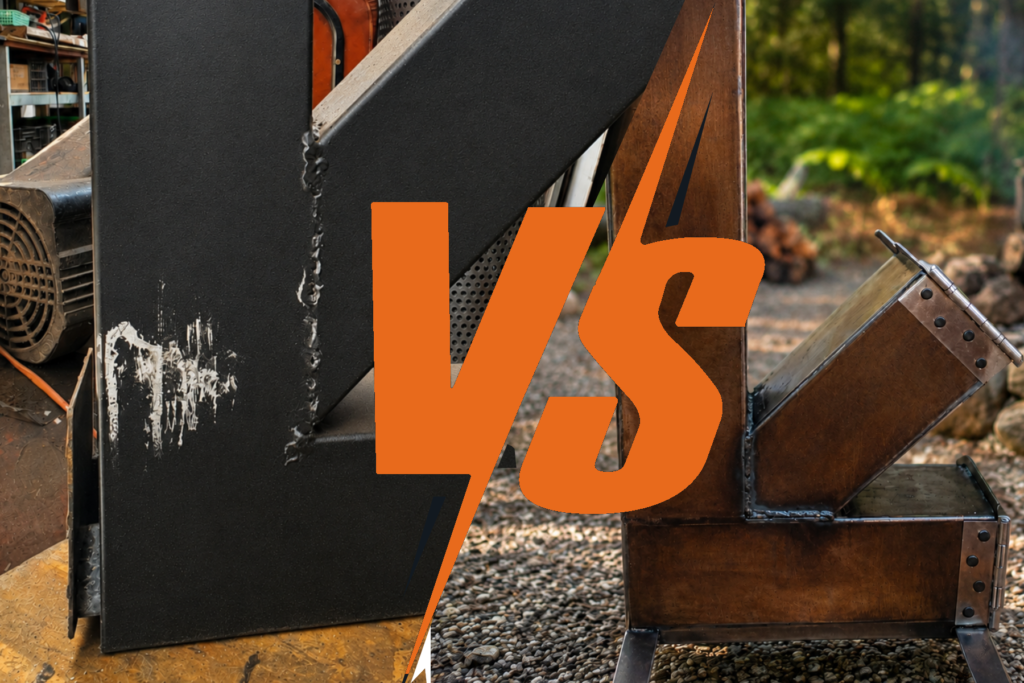
If you’ve ever looked at one of our Vulcan Rocket Stoves and wondered why it doesn’t have a perfectly smooth black painted finish, you’re not alone.
It’s one of the most common questions we receive.
Most outdoor cooking equipment is painted. When it’s brand new, paint can look clean, uniform, and attractive. But after years of cooking over real fire, we’ve found ourselves drawn to a different approach.
What led us to natural seasoning?
When we first started building rocket stoves, we experimented with high-temperature paint just like many manufacturers do. Fresh out of the shop, the painted finish looked great. It was clean, uniform, and gave the stove a polished appearance.
However, once the stove was put into real-world use, especially around the hottest parts of the firebox, the finish didn’t always hold up the way we hoped. After repeated burns, we noticed areas where the paint began to discolor, wear, and eventually flake away.
The challenge wasn’t just the appearance. Once paint starts to fail, maintaining the finish often means removing loose paint, preparing the surface, and repainting the affected areas. That experience led us to explore natural seasoning instead.
Rather than covering the steel with a coating, we began treating the steel in a way that’s more similar to cast iron cookware and carbon steel pans. Over time, the surface develops a natural finish that changes with use and can be easily maintained.
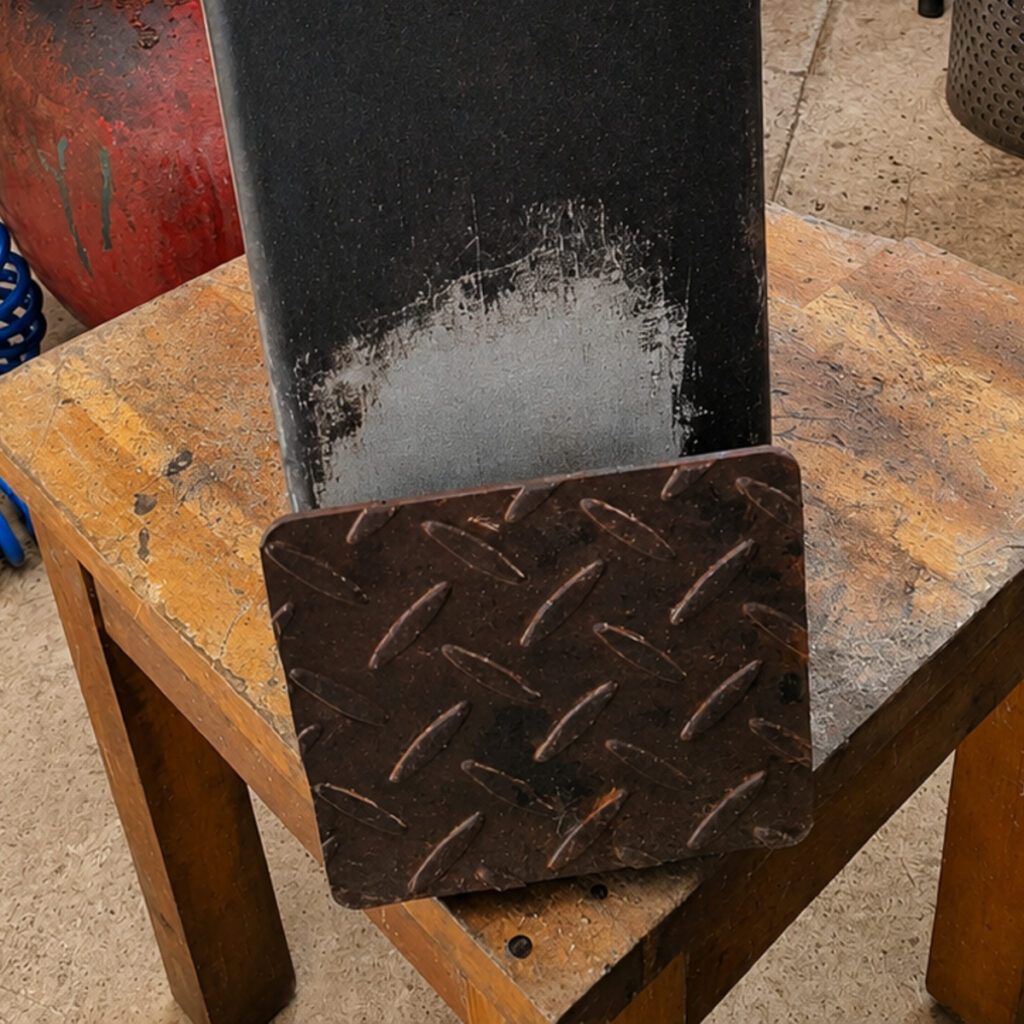
More Character, Less Perfection
Many people expect outdoor cooking equipment to have a uniform black finish. While there’s nothing wrong with that approach, it’s not the look we were after.
We appreciate the character that develops naturally on seasoned steel. As a stove is exposed to heat, smoke, fire, and years of cooking, it develops subtle color variations and a unique appearance that reflects how it has been used.
To us, those marks aren’t imperfections. They’re part of the story. Much like a well-used cast iron skillet, a seasoned rocket stove develops a look that can’t be replicated straight from the factory. Every stove ages differently, and that’s part of what makes it unique.
We believe outdoor cooking equipment should look like it has been used, enjoyed, and built for real fire.
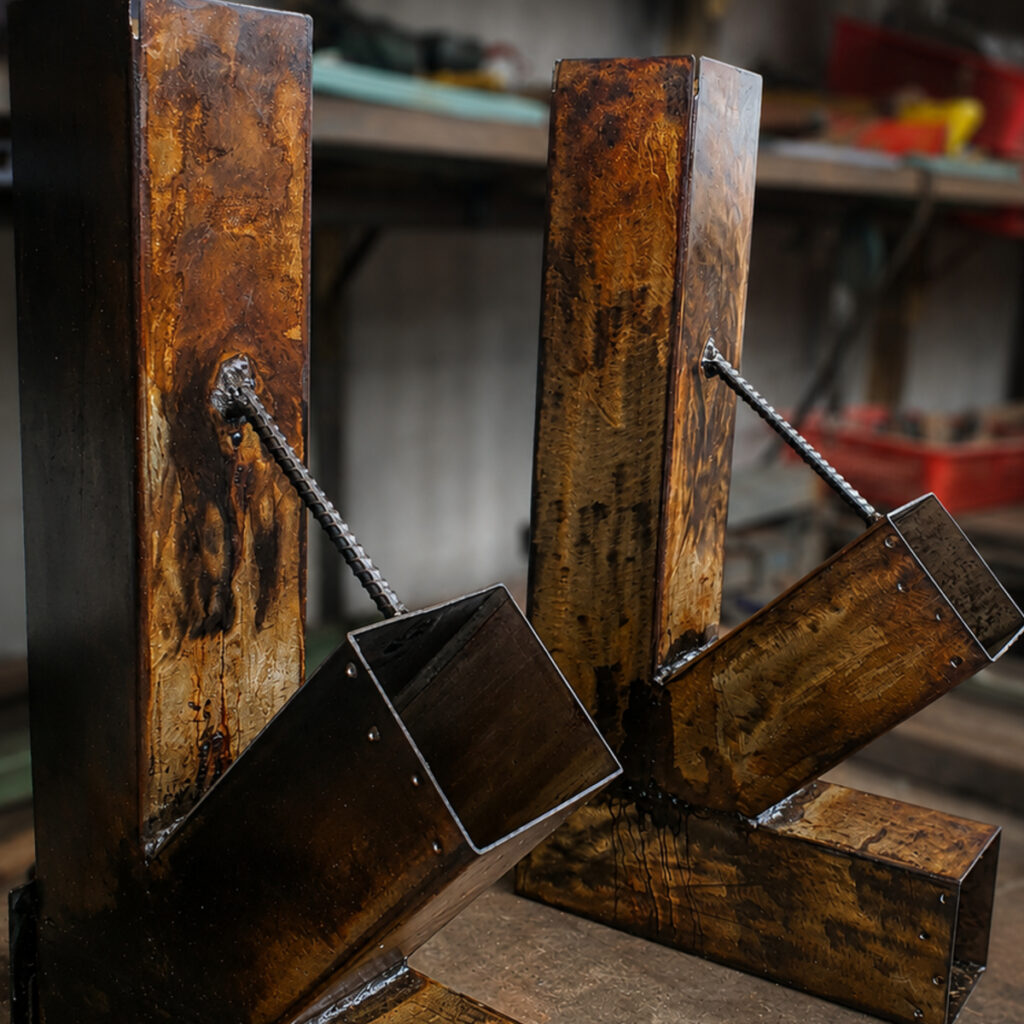
What You’re Seeing Isn’t Rust
One concern people often have is the changing appearance of the steel.
As a seasoned stove is exposed to heat, smoke, oil, and the elements, it may develop darker areas, bronze tones, blue hues, or other color variations.
This natural finish is often referred to as a patina.
A patina is different from rust. Rust is a form of corrosion that damages steel. A patina is a stable surface finish that develops through heat, oil, smoke, and use.
No two seasoned stoves will look exactly alike, and that’s part of what makes each one unique.
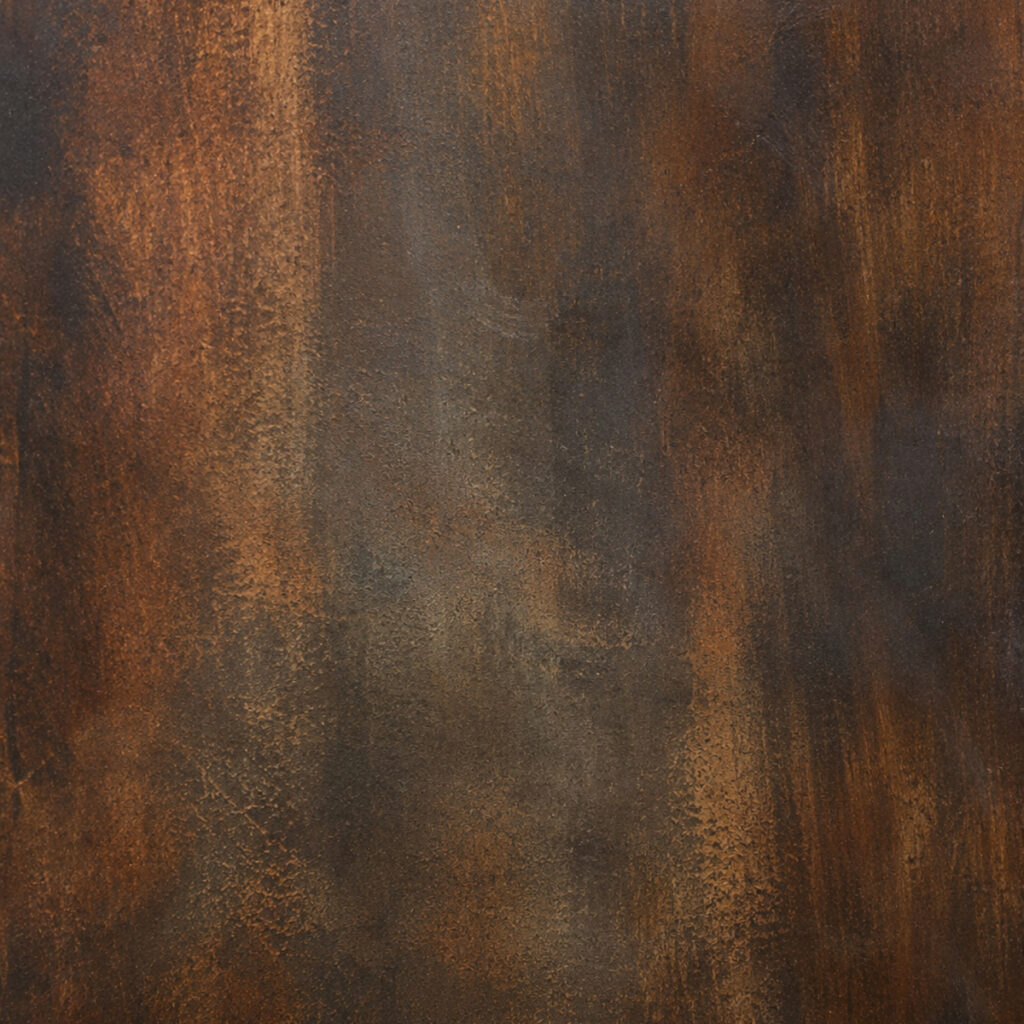
Easier to Maintain
One of the biggest advantages of a seasoned finish is its simplicity.
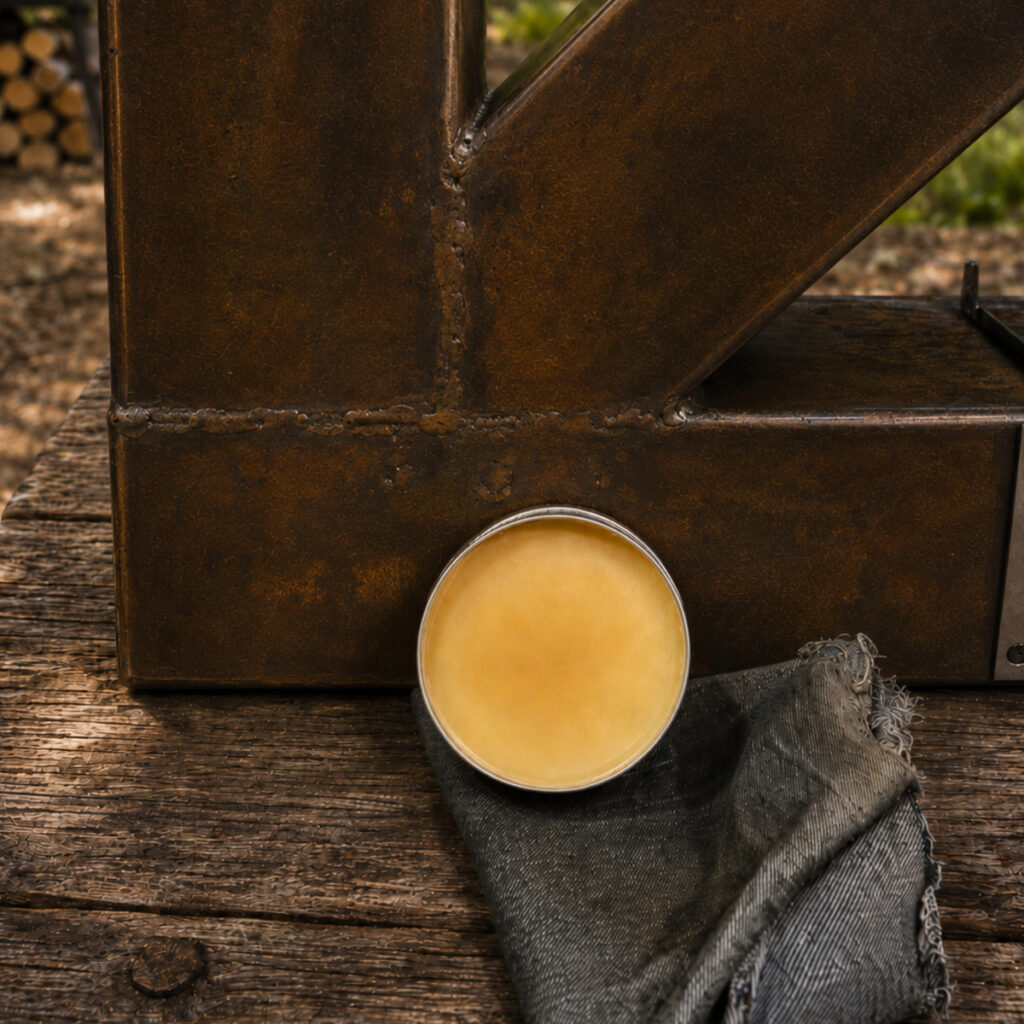
If the stove begins to look dry or worn in certain areas, maintaining the finish is usually as simple as applying a thin coat of oil and heating the surface.
Many people also choose to use a beeswax-based seasoning conditioner. These products combine oils and waxes to help refresh the finish, improve moisture resistance, and make routine maintenance quick and easy.
Unlike chipped paint, a seasoned finish doesn’t require sanding, stripping, or repainting.
For equipment that’s designed to spend years around fire, smoke, weather, and outdoor cooking, that ease of maintenance is something we value.
Built to Be Used
We don’t build rocket stoves to sit on a shelf looking perfect.
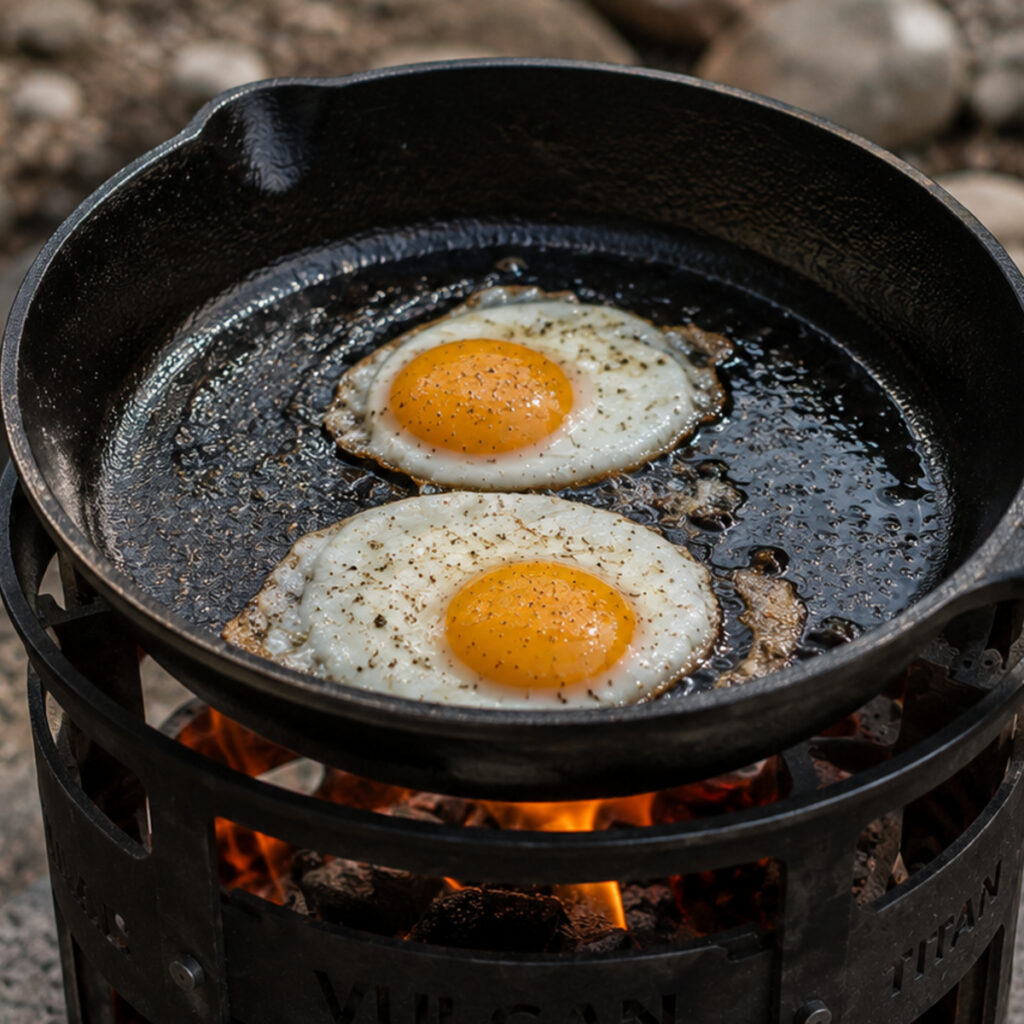
We build them to cook meals, boil coffee, heat cast iron, and spend years around campfires, campsites, and backyard gatherings.
Over time, every Vulcan develops its own character. The marks, colors, and finish tell the story of the meals cooked on it and the places it has been.
To us, that’s far more interesting than a layer of paint.
Final Thoughts
Natural seasoning isn’t the only way to finish steel, but it’s the approach that best matches how we believe outdoor cooking equipment should be used.
It’s easy to maintain, develops character over time, and embraces the effects of real fire rather than trying to hide them.
Like a well-used cast iron skillet, a seasoned rocket stove gets better with age.