
HOW TO SEASON
CAST IRON:
A BEGINNER’S GUIDE
The simple process that builds a naturally non-stick surface and protects your cast iron for generations
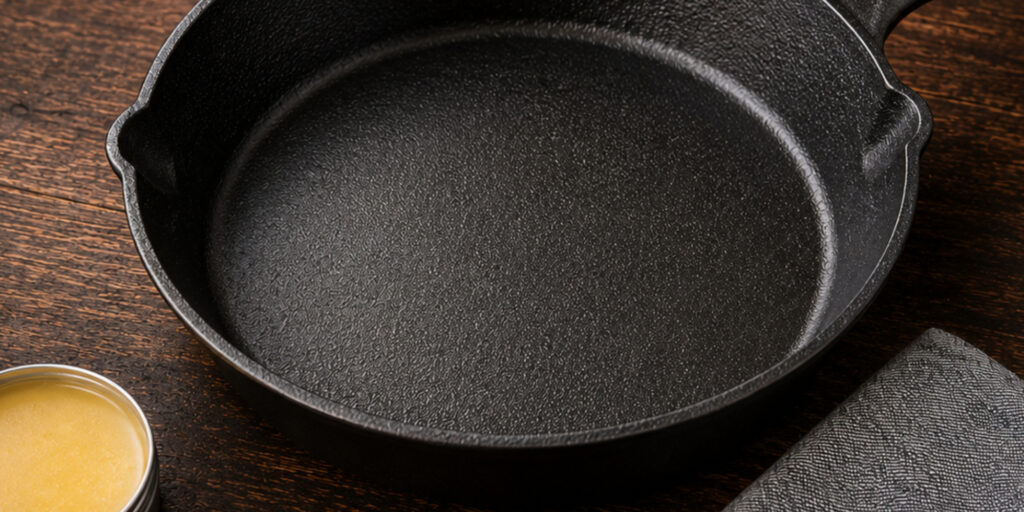
Cast iron cookware has earned a loyal following for good reason. It’s durable, versatile, and capable of producing incredible cooking results whether you’re in the kitchen, at a campsite, or cooking over a fire.
Unlike non-stick cookware, cast iron develops its own naturally non-stick surface through a process known as seasoning. If you’ve just purchased a new cast iron pan or are restoring an older one, proper seasoning is one of the most important steps you can take to protect the metal and improve cooking performance.
WHY SEASON CAST IRON?
Seasoning creates a protective layer on the surface of the iron that helps:
- Prevent rust
- Improve food release
- Enhance durability
- Build a naturally non-stick cooking surface
With proper care, a well-seasoned cast iron pan can last for generations.
HOW TO SEASON
STEP 1
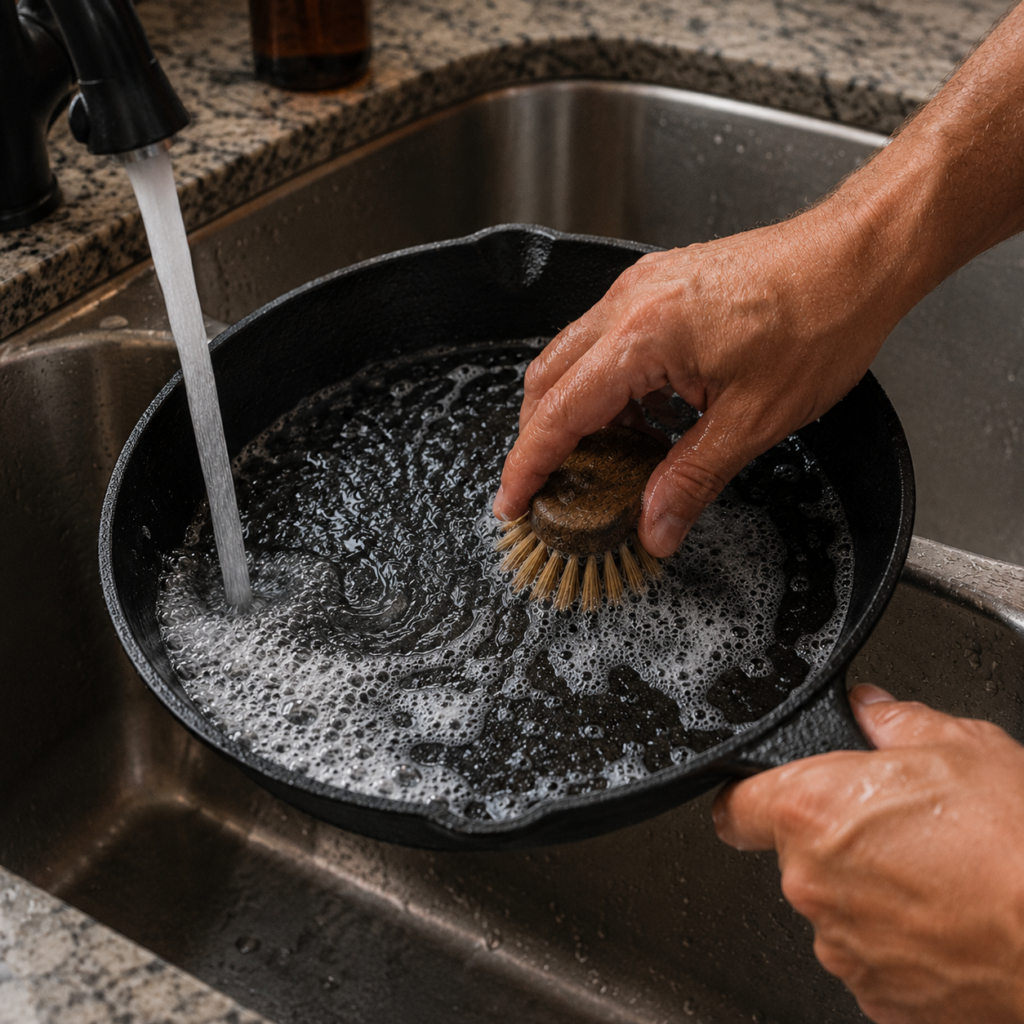
CLEAN THE PAN
Before seasoning, make sure the pan is clean and completely dry. For new cast iron, wash away any manufacturing residue. For older pans, remove rust, old food debris, or loose seasoning before continuing. Once cleaned, dry the pan thoroughly. Any remaining moisture can lead to rust and interfere with the seasoning process.
STEP 2
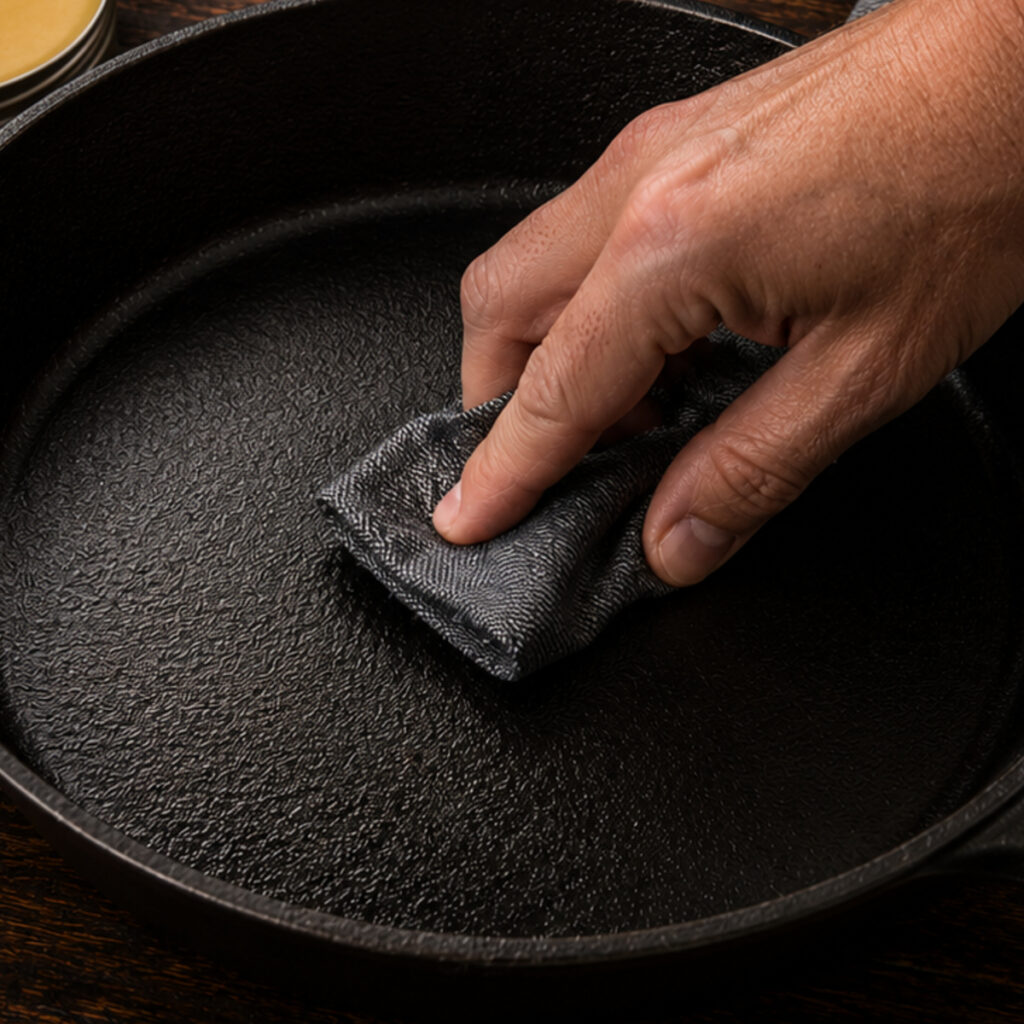
APPLY A THIN COAT OF OIL OR SEASONING BLEND
Apply a very thin layer of oil or seasoning blend to the entire pan, including the cooking surface, sides, handle, and bottom. After applying the oil or seasoning blend, use a clean cloth to wipe away any excess. The pan should appear lightly coated, not wet or greasy. The most common mistake is using too much oil. Multiple thin coats will almost always produce better results than one heavy coat.
STEP 3
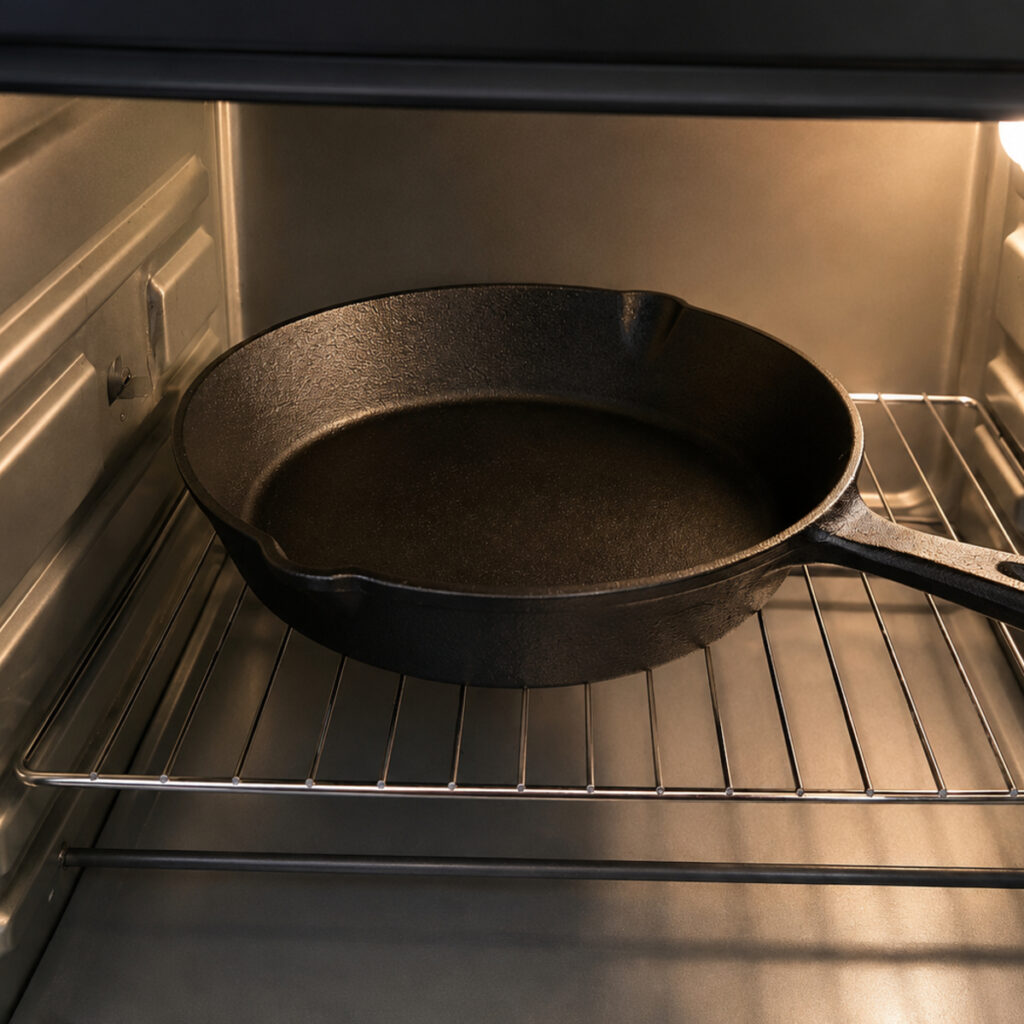
HEAT THE PAN
Preheat your oven to 230°C (450°F). Place the cast iron pan upside down on the center rack and bake for 1 hour. Placing a sheet of foil on the rack below can help catch any excess oil. After 1 hour, turn off the oven and allow the pan to cool gradually inside the oven. This slow cooling process helps the seasoning bond to the metal and creates a more durable finish.
STEP 4
REPEAT 2-3 MORE TIMES
One coat is a good start, but multiple thin coats generally produce better results. Over time, cooking with fats and oils will continue to strengthen the seasoning naturally. The more you cook, the better the surface becomes.
COMMON SEASONING MISTAKES
Avoid these common mistakes:
- Applying too much oil
- Using insufficient heat
- Storing cookware while damp
- Leaving food residue on the pan
- Allowing rust to develop
When it comes to seasoning cast iron, thin coats and proper heat are usually more important than the specific oil you choose.
MAINTAINING CAST IRON
After cooking, clean the pan, dry it thoroughly, and apply a light coat of oil or seasoning blend if needed.
Many outdoor cooks use beeswax and oil conditioners as part of their maintenance routine. These products can help protect the surface from moisture, maintain the finish, and keep cookware looking its best between uses.
With regular use and proper care, cast iron only gets better with time.
-
How to Season Cast Iron
HOW TO SEASON CAST IRON: A BEGINNER’S GUIDE The simple process that builds a naturally non-stick surface and protects your cast iron for generations Cast iron cookware has earned a loyal following for good reason. It’s durable, versatile, and capable of producing incredible cooking results whether you’re in the kitchen, at a campsite, or cooking…